Role of Education in Personality Development
Education is not just about acquiring academic knowledge; it is also a vital tool for shaping an individual’s personality. Personality development is the process of enhancing personal qualities, behavior, and character to become a confident, responsible, and socially adept individual. Education plays a significant role in this process by equipping students with knowledge, skills, and values that influence how they think, behave, and interact with others. A well-rounded education helps individuals grow intellectually, emotionally, socially, and ethically, contributing to their overall personality development.
Understanding Personality Development
Personality development refers to the growth and enhancement of an individual’s character, habits, and behavior. It involves building qualities such as confidence, communication skills, discipline, empathy, and social awareness. A person with a developed personality is not only knowledgeable but also demonstrates good manners, ethical values, and the ability to interact effectively with others.
Education is closely linked to personality development because it provides opportunities to learn, explore, and practice these qualities in structured and supportive environments.
Education Enhances Knowledge and Awareness
The most apparent role of education in personality development is the acquisition of knowledge. Education broadens a person’s understanding of the world, cultures, society, and different perspectives. A well-informed individual is confident in expressing opinions, engaging in discussions, and making decisions.
Knowledge gained through education also promotes awareness about social responsibilities, ethical behavior, and personal growth. Students who are aware of the world around them develop a sense of purpose and direction, which positively impacts their personality.
Builds Confidence and Self-Esteem
Education helps in building confidence and self-esteem, which are essential components of a strong personality. When students learn new concepts, solve problems, and achieve academic success, they gain confidence in their abilities.
Participation in class activities, presentations, and debates further enhances self-assurance. Confident individuals are more likely to take initiatives, face challenges, and communicate effectively, which are vital traits for personal and professional success.
Develops Communication Skills
Education provides ample opportunities to develop communication skills, including speaking, writing, and listening. Through group discussions, presentations, and projects, students learn to express their ideas clearly and persuasively.
Effective communication is a cornerstone of personality development. Individuals who can articulate their thoughts confidently and listen actively to others are better equipped to build relationships, resolve conflicts, and work in teams.
Encourages Discipline and Responsibility
Discipline and responsibility are integral aspects of personality development. Schools and educational institutions instill these qualities through structured routines, rules, and academic expectations.
Students learn to manage their time, meet deadlines, and follow guidelines. These habits create a sense of responsibility and accountability, which are crucial for personal growth and professional success.
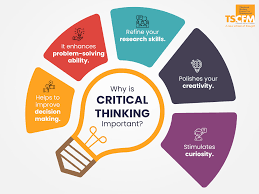
Fosters Critical Thinking and Problem-Solving Skills
Education encourages critical thinking and problem-solving abilities, which enhance personality development. Students are trained to analyze situations, evaluate information, and make informed decisions.
These skills help individuals approach challenges logically, think creatively, and respond effectively to complex problems. A person with strong analytical and problem-solving skills is respected for their intelligence and maturity, which adds to their overall personality.
Promotes Social Skills and Teamwork
Personality development is closely linked to social interaction. Education provides a platform for students to interact with peers, teachers, and mentors. Group activities, sports, and projects teach collaboration, empathy, and teamwork.
By learning to work with others, respect differing opinions, and resolve conflicts, students develop social skills that are essential for personal and professional life. A socially skilled individual is approachable, cooperative, and well-respected in society.
Cultivates Moral and Ethical Values
Moral education is a crucial component of overall education and plays a significant role in personality development. Schools teach values such as honesty, integrity, respect, and empathy.
Students learn to differentiate right from wrong and understand the importance of ethical behavior. Strong moral values shape a person’s character, build trust with others, and enhance social credibility, all of which are key aspects of a strong personality.
Enhances Creativity and Innovation
Education encourages creativity and innovation by providing opportunities for exploration, experimentation, and self-expression. Arts, music, literature, science projects, and extracurricular activities allow students to think creatively and develop original ideas.
Creative individuals demonstrate problem-solving abilities, adaptability, and initiative, which are admired traits in personality development. Education nurtures imagination and encourages students to approach life with an innovative mindset.
Builds Emotional Intelligence
Personality development is not only about intellectual growth but also emotional intelligence. Education helps students understand their emotions, manage stress, and empathize with others.
Activities such as group discussions, mentoring, and counseling sessions enhance self-awareness and emotional regulation. Students with high emotional intelligence can build stronger relationships, communicate effectively, and navigate social situations confidently.
Encourages Lifelong Learning and Self-Improvement
Education instills a habit of lifelong learning, which is crucial for personality development. Individuals who continuously seek knowledge and self-improvement develop adaptability, resilience, and a positive attitude.
Lifelong learners are open to feedback, willing to change, and constantly strive to enhance their skills and character. This proactive approach to personal growth significantly contributes to a well-rounded personality.
Prepares for Professional Success
A well-developed personality is essential for career success. Education equips students with skills such as communication, critical thinking, leadership, and ethical behavior, all of which are valued by employers.
Individuals with a strong personality are more confident in interviews, capable of teamwork, and effective in leadership roles. Education ensures that students are not only academically competent but also professionally prepared.
Encourages Cultural Awareness and Respect
Education exposes students to diverse cultures, traditions, and global perspectives. Understanding and respecting cultural diversity fosters tolerance, open-mindedness, and social harmony.
Students who are culturally aware and respectful develop a mature, adaptable, and socially responsible personality, making them better citizens and global participants.
Conclusion
Education plays a vital role in personality development by shaping an individual’s knowledge, skills, behavior, and values. It enhances confidence, communication skills, discipline, critical thinking, social interaction, moral values, creativity, and emotional intelligence.
Personality development through education prepares students to face life challenges, build meaningful relationships, and achieve personal and professional success. A strong personality, nurtured through education, enables individuals to lead a balanced, responsible, and fulfilling life.
In essence, education is not just about academic excellence; it is about holistic growth. By focusing on intellectual, emotional, social, and ethical development, education transforms students into well-rounded individuals with strong personalities, ready to contribute positively to society.