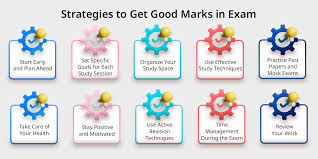
How Students Can Prepare Effectively for Exams
Exams are an essential part of academic life, allowing teachers to evaluate students’ understanding of a subject and students to demonstrate their knowledge. While exams can be stressful, proper preparation can make a significant difference in performance. Effective exam preparation involves planning, discipline, focus, and the use of smart strategies. By adopting these techniques, students can reduce stress, improve retention, and achieve better results.
Understand the Exam Format
Before beginning preparation, students should understand the exam format. Knowing the types of questions—whether multiple-choice, short answer, or essay—helps in focusing study efforts.
Understanding the syllabus, marking scheme, and important topics allows students to prioritize and allocate time efficiently. Familiarity with the exam format also reduces anxiety and boosts confidence on the exam day.
Create a Study Schedule
A well-structured study schedule is key to effective exam preparation. Students should divide their study time across subjects and topics, ensuring that each area receives adequate attention.
- Allocate more time to difficult or high-weightage topics.
- Include short breaks to maintain focus and avoid burnout.
- Set realistic daily goals to track progress.
A timetable creates discipline, reduces procrastination, and ensures that all subjects are covered before the exam.
Use Active Learning Techniques
Active learning helps students retain information better than passive reading. Effective techniques include:
- Summarizing Notes: Condense important points in your own words.
- Mind Maps and Diagrams: Visual tools help in understanding complex concepts.
- Teaching Others: Explaining topics to classmates or friends reinforces learning.
- Practice Questions: Solving past papers and sample questions builds confidence and speed.
Active engagement with the material strengthens understanding and memory recall.
Focus on Understanding, Not Memorization
While memorization has its place, understanding concepts is more important for long-term retention and application. Students should aim to comprehend ideas, relationships, and reasoning behind facts rather than rote learning.
Understanding helps in answering application-based and analytical questions effectively. Conceptual clarity also boosts confidence and reduces last-minute panic.
Organize Study Material
Keeping study material organized improves efficiency. Students should:
- Keep notes, textbooks, and reference materials in order.
- Highlight important points for quick revision.
- Use flashcards for key terms and definitions.
- Avoid clutter to minimize distractions.
An organized approach saves time and allows focused preparation.
Practice Time Management
During exam preparation and the exam itself, time management is critical. While studying, allocate specific periods for each topic, ensuring balanced coverage.
During exams, plan time for each question according to its marks. Practicing timed mock tests improves speed and efficiency, preventing last-minute stress.
Take Regular Breaks
Continuous studying can lead to mental fatigue and decreased concentration. Short, regular breaks improve focus and retention.
Techniques like the Pomodoro Technique—studying for 25–30 minutes followed by a 5-minute break—can be highly effective. Breaks should be used for relaxation or light physical activity, avoiding distractions like social media.
Maintain a Healthy Lifestyle
Physical and mental health directly affect exam performance. Students should:
- Get 7–8 hours of sleep daily to improve memory and focus.
- Eat nutritious meals to fuel the brain.
- Drink plenty of water to stay hydrated.
- Exercise regularly to relieve stress and boost energy.
A healthy lifestyle ensures that the brain functions optimally during preparation and exams.
Minimize Distractions
Distractions such as smartphones, social media, and noisy environments hinder effective study. Students should:
- Study in a quiet, organized space.
- Turn off notifications or keep phones aside.
- Inform family or roommates about study hours to avoid interruptions.
Minimizing distractions helps maintain concentration and improves learning efficiency.
Use Past Papers and Mock Tests
Practicing past exam papers and mock tests is an effective strategy. It helps students:
- Understand the types of questions likely to appear.
- Identify important topics and frequently asked questions.
- Practice time management during exams.
- Build confidence by simulating exam conditions.
Regular practice improves performance and reduces exam anxiety.
Revise Regularly
Revision is essential to retain information. Students should allocate time for multiple revisions before the exam.
- Begin revision well before the exam date.
- Focus on key points, formulas, dates, and definitions.
- Use summaries, flashcards, and notes for quick recall.
Consistent revision strengthens memory and ensures that students are well-prepared for all topics.
Stay Positive and Manage Stress
A positive mindset is crucial for exam success. Students should:
- Avoid negative thoughts and self-doubt.
- Practice relaxation techniques like deep breathing or meditation.
- Set realistic goals and reward themselves for achievements.
- Discuss challenges with teachers, friends, or family for support.
Managing stress improves concentration, memory, and overall performance.
Seek Help When Needed
If students face difficulty in understanding topics, seeking help is important. They can:
- Ask teachers for clarification.
- Join study groups for peer support.
- Use online resources and tutorials.
Getting guidance ensures that learning gaps are addressed and reduces last-minute confusion.
Conclusion
Effective exam preparation requires a combination of planning, understanding, practice, and self-care. By understanding the exam format, creating a study schedule, using active learning techniques, and maintaining a healthy lifestyle, students can maximize their performance. Regular revision, time management, and minimizing distractions further enhance learning efficiency.
A positive mindset, stress management, and seeking help when needed ensure that students approach exams with confidence. With disciplined and strategic preparation, students can achieve their academic goals, reduce anxiety, and perform to the best of their abilities.
In essence, exam success is not just about studying hard—it is about studying smart, staying focused, and balancing learning with well-being.