How Online Learning Is Changing Education
Education has always played a vital role in shaping societies and building successful individuals. In recent years, the rise of technology has brought a major transformation in the way education is delivered and received. Online learning, also known as e-learning or digital education, has changed traditional teaching methods and opened new doors for students around the world. Today, learning is no longer limited to classrooms, chalkboards, or fixed schedules. Online learning is changing education by making it more accessible, flexible, and innovative.
The Rise of Online Learning
Online learning has grown rapidly due to the widespread use of the internet, smartphones, and digital devices. Educational institutions, teachers, and learners have adopted online platforms to continue education beyond physical classrooms. Virtual classrooms, video lectures, learning management systems, and online resources have become common tools in modern education.
The global shift toward online learning increased significantly during the COVID-19 pandemic, when schools and universities were forced to move to digital platforms. This shift proved that online education is not just an alternative but a powerful system that can support learning on a large scale.
Increased Access to Education
One of the biggest ways online learning is changing education is by increasing access. Students from remote areas, small towns, or underdeveloped regions can now access quality education through the internet. They no longer need to travel long distances or relocate to attend good schools or universities.
Online learning platforms offer courses from top institutions and experts across the world. This has reduced educational inequality and allowed learners from different backgrounds to improve their knowledge and skills. People who could not afford traditional education due to cost or distance can now learn at a much lower expense.
Flexibility and Convenience
Online learning provides flexibility that traditional education often lacks. Students can choose when and where to study according to their schedules. This is especially helpful for working professionals, parents, and individuals who want to continue education while managing other responsibilities.
Recorded lectures allow students to revisit lessons whenever needed. Learners can study at their own pace, which improves understanding and reduces pressure. This flexibility makes education more learner-centered rather than system-centered.
Personalized Learning Experience
Online learning has introduced personalized education. Digital platforms use technology to adapt lessons based on a student’s performance and learning speed. Students who learn quickly can move ahead, while those who need more time can review lessons without feeling left behind.
Personalized learning helps improve confidence and motivation. Students can choose subjects, courses, and learning styles that suit their interests and goals. This customization was difficult to achieve in traditional classroom settings with large numbers of students.
Cost-Effective Education
Traditional education often includes expenses such as transportation, accommodation, textbooks, and uniforms. Online learning reduces many of these costs. Most learning materials are available digitally, and many courses are affordable or even free.
This cost-effectiveness makes education more accessible to people from low-income backgrounds. Students can invest in skill-based courses that directly improve their career opportunities without spending large amounts of money.
Technology-Driven Teaching Methods
Online learning has changed how teachers teach and how students learn. Educators now use videos, animations, quizzes, discussion forums, and interactive tools to make learning engaging. These methods improve understanding and retention compared to traditional lectures.
Technology also allows real-time communication between teachers and students through video calls, chats, and emails. This helps students ask questions easily and receive instant feedback. Online assessments and progress tracking make evaluation faster and more accurate.
Development of Digital Skills
Online learning helps students develop essential digital skills that are necessary in today’s world. Learners become familiar with computers, software, online communication tools, and digital research. These skills are valuable in almost every modern career.
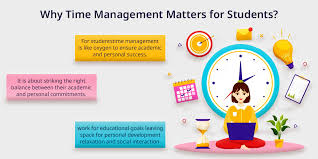
Students also learn self-discipline, time management, and independent learning. These qualities help them succeed not only academically but also professionally. Online learning prepares students for a digital workplace where remote work and virtual collaboration are common.
Global Learning Environment
Online education has created a global classroom. Students from different countries and cultures can learn together through online platforms. This promotes cultural awareness, collaboration, and global understanding.
Learners can interact with international teachers and peers, exchange ideas, and gain new perspectives. This global exposure helps students become more open-minded and better prepared for international opportunities.
Challenges of Online Learning
Despite its many benefits, online learning also comes with challenges. One major issue is the lack of access to reliable internet and devices for some students. This digital divide can prevent equal participation in online education.
Another challenge is lack of face-to-face interaction. Some students feel isolated and miss the social environment of traditional classrooms. Motivation and concentration can also be difficult for learners who struggle with self-discipline.
Technical issues, such as software problems or power outages, can interrupt learning. To overcome these challenges, proper digital infrastructure, guidance, and support systems are needed.
The Changing Role of Teachers
Online learning has changed the role of teachers from traditional lecturers to facilitators and mentors. Teachers now guide students, provide resources, and support independent learning rather than only delivering lectures.
Educators must also learn new digital skills to effectively use online tools. Continuous teacher training is essential to improve online teaching quality. When teachers adapt to technology, online learning becomes more effective and meaningful.
The Future of Education
Online learning is not replacing traditional education but transforming it. The future of education is likely to be a blend of online and offline learning, known as blended learning. This model combines the benefits of digital flexibility with classroom interaction.
As technology continues to advance, online education will become more interactive, immersive, and accessible. Artificial intelligence, virtual reality, and adaptive learning systems will further improve the learning experience.
Conclusion
Online learning is changing education in powerful and lasting ways. It has made education more accessible, flexible, affordable, and personalized. Students can now learn anytime, anywhere, and gain skills needed for the modern world. While challenges exist, the benefits of online learning are undeniable.
To fully benefit from online education, governments, institutions, teachers, and students must work together to improve digital access and learning quality. Online learning is not just a temporary trend; it is a major step toward the future of education. By embracing digital learning, we can create a more inclusive, skilled, and educated society.