The Importance of Education in the Digital Age
In today’s fast-changing world, education has become more important than ever before. The digital age has transformed how we live, work, and communicate. Technology is now a part of almost every aspect of life, from smartphones and computers to artificial intelligence and online platforms. In this modern era, education is no longer limited to classrooms and textbooks. Instead, it has expanded into the digital world, offering new opportunities and challenges. Understanding the importance of education in the digital age is essential for individuals, societies, and nations to grow and succeed.
Education as the Foundation of Modern Society
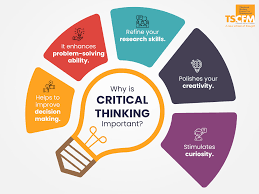
Education has always been the foundation of progress, but in the digital age, its role has become even more critical. Knowledge and skills are now the most valuable assets. Countries with educated populations are more innovative, productive, and competitive in the global market. Education helps individuals develop critical thinking, problem-solving abilities, and creativity, which are essential skills in a technology-driven world.
In the past, basic literacy was enough to survive. Today, digital literacy is equally important. People must know how to use technology effectively, understand digital tools, and adapt to new systems. Education provides the foundation needed to understand and use technology in a meaningful way.
Digital Technology and Learning Opportunities
One of the greatest advantages of the digital age is easy access to information. With the internet, students can learn anytime and anywhere. Online courses, e-books, educational videos, and virtual classrooms have made education more flexible and accessible. Students are no longer dependent only on physical schools or libraries.
Digital education platforms allow learners to study at their own pace. This is especially helpful for students who may struggle in traditional classrooms. Online learning also makes education available to people in remote areas where schools and teachers may be limited. As a result, digital education helps reduce the gap between different social and economic groups.
Education and Career Development in the Digital Age
The job market has changed significantly due to digital technology. Many traditional jobs have been replaced by automated systems, while new careers related to technology have emerged. Fields such as data science, digital marketing, software development, and cybersecurity are growing rapidly.
Education helps individuals prepare for these new career opportunities. Without proper education and digital skills, it becomes difficult to compete in the modern job market. Lifelong learning has also become important. People must continuously update their skills to keep up with technological advancements. Education in the digital age is not just about earning a degree; it is about learning throughout life.
Enhancing Critical Thinking and Creativity
In the digital age, information is everywhere. However, not all information is accurate or reliable. Education teaches students how to analyze information, think critically, and make informed decisions. These skills are crucial in an era of social media, fake news, and misinformation.
Education also encourages creativity and innovation. Technology provides tools that allow students to create content, design projects, and solve real-world problems. Through education, learners can use digital tools not just for entertainment but for productive and creative purposes.
Role of Education in Social Development
Education in the digital age plays an important role in social development. It promotes awareness, tolerance, and understanding among different cultures and communities. Digital platforms connect people from around the world, and education helps individuals communicate respectfully and responsibly in online environments.
Educated individuals are more likely to participate positively in society. They understand their rights and responsibilities and can use digital platforms to raise awareness about social issues. Education also helps reduce poverty and inequality by providing people with the skills needed to improve their economic conditions.
Challenges of Education in the Digital Age
Despite its many benefits, digital education also faces several challenges. Not everyone has equal access to technology. Lack of internet access, devices, and digital skills can create a digital divide. This gap can prevent many students from benefiting fully from digital education.
Another challenge is distraction. While technology offers learning opportunities, it also brings distractions such as social media, games, and entertainment. Education must teach students self-discipline and responsible use of technology.
Cybersecurity and online safety are also major concerns. Students need education on how to protect their privacy, avoid cyber threats, and behave ethically online. Without proper guidance, technology can be misused.
The Role of Teachers in the Digital Era
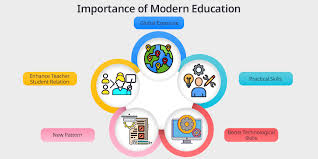
Teachers remain essential in the digital age. Technology cannot replace the role of a good teacher. Instead, it supports and enhances teaching methods. Teachers guide students, motivate them, and help them understand complex concepts.
In the digital age, teachers must also update their skills. They need training to use digital tools effectively and integrate technology into their teaching. When teachers and technology work together, the learning experience becomes more engaging and effective.
Education and Personal Growth
Education in the digital age is not only about professional success; it also contributes to personal growth. Learning helps individuals build confidence, improve communication skills, and develop a growth mindset. Educated people are more adaptable and open to change, which is important in a rapidly evolving digital world.
Education also promotes ethical values and responsibility. As technology becomes more powerful, ethical decision-making becomes more important. Education helps individuals understand the impact of their actions on others and encourages responsible use of digital resources.
Preparing Future Generations
The future belongs to those who are prepared. Education in the digital age prepares future generations to face upcoming challenges. Emerging technologies such as artificial intelligence, robotics, and virtual reality will continue to shape the world. Education helps students understand these technologies and use them for positive purposes.
By focusing on digital skills, creativity, collaboration, and critical thinking, education ensures that future generations are not just technology users but technology innovators.
Conclusion
The importance of education in the digital age cannot be overstated. Education empowers individuals with knowledge, skills, and values needed to succeed in a technology-driven world. It opens doors to new opportunities, supports economic growth, and promotes social development. While digital education comes with challenges, its benefits far outweigh the difficulties.
To thrive in the digital age, societies must invest in quality education, digital infrastructure, and teacher training. Education is the key to personal success, national progress, and a better future. In a world where technology is constantly evolving, education remains the most powerful tool for growth and transformation.